

30 Sep How Long Is Rehab for Alcohol? Timeline, Treatment Length, and What to Expect
Quick Answer: What is the length of time of alcohol rehab? Alcohol rehab treatment time varies from weeks to months, depending upon withdrawal risk, severity of alcohol use disorder, individual rehab needs, and rehab progress. Detoxification takes only a few days; residential/outpatient or continuing care can take several months. With Intervention 911, you might learn what care level is right for you.
There is no one-size-fits-all answer to how long rehab is for alcohol. Alcohol treatment may include medically supervised drug & alcohol detoxification, residential alcohol treatment (inpatient), outpatient alcohol treatment, and thousands of recovery-supporting services. This will depend on your health, your drinking pattern and the risks of withdrawal, and your treatment goals.
How Long Is Rehab for Alcohol?
So, how long is the average length of time in rehab for alcohol? Many programs can be split up into a couple of weeks or maybe even be able to provide longer care periods at home or possibly outpatient services according to the patient’s needs. The beginning of Detox is just the start. Although it can take days or weeks, a good treatment program for alcohol use disorders usually takes several months, according to NIAAA.
Introduction
If you’re asking yourself “how long is rehab for alcohol,” you may be looking for a bit of a break from your job, family, school or otherwise routine. Another question might be, does treatment require that you break free from drugs and alcohol or do you need to be permitted for 30 days or more after treatment?
It’s not as black and white as you might imagine. There isn’t a universal program for alcohol rehab. Some require medical withdrawal management and residential treatment. Others may need outpatient care and continue to be treated without having to reside at a facility.
The aim isn’t just the number of days in a treatment center. To build skills, supports and stability for continuous recovery.
Key Takeaways
- How many months is the average Spartan stay in rehab for alcohol? This can take a few weeks, months, or even years.
- The process of alcohol detox lasts for a significantly shorter amount of time than alcohol treatment in general.
- Treatment durations vary based on the plan for withdrawal, the severity of AUD, medical and mental health needs, and the home support provided.
- Residential rehab offers a 24-hour structure, and outpatient treatment permits an individual to live in their house while obtaining treatment.
- Additional recovery support may take place after the use of scheduled care.
- Detox is not typically considered comprehensive alcohol addiction treatment.
Symptoms That Can Affect Rehab Length
The first pregnant comrade who stumbled with the basic query on how long alcohol rehab is, that everyone is different.
When a drug addict comes into the treatment center, they may be shown some of the following signs:
- Increased hunger and craving for booze.
- Difficulty controlling drinking
- Greater than normal fluid and/or drinking duration.
- Stopping away from the job involves hazardous behaviors
- Anxiety or irritability
- Sleep problems
- Tremors or sweating
- Nausea or vomiting
- Work/school or family problems
When determining the level of care, it is especially crucial to consider withdrawal symptoms. NIAAA defines symptoms of alcohol withdrawal to be an increase in pulse, high blood pressure, sweating, nausea and vomiting, tremors, problems with sleep and anxiety, seizures, and delirium tremens. In severe cases, they might require medical supervision for the withdrawal.
That’s why an alcohol rehabilitation drug detox period ought to be thoroughly thought about independently of the length of continued therapy.
Causes and Factors That Determine Treatment Length
There can be a variety of causes for alcohol use disorder. Risk may include genetics, brain changes, stress, environment, alcohol use, family history, mental health issues, and trauma.
Alcohol addiction treatment may have a couple of reasons, and these are:
Severity of alcohol use disorder
Depending on the severity of the person’s AUD, they may require a different amount and level of care and time to become stable that differs.
Withdrawal risk
Individuals who have had intense withdrawal symptoms might need medical detox prior to starting a more extended course of treatment.
Mental health needs
If depression, anxiety, or trauma, or any other mental health issues require further treatment and support, is required.
Home environment
Using a safe and supportive home environment, outpatient care may be achievable. Residential may be the best option if the environment is not secure or an alcoholic environment.
Progress in treatment
Some people have a rapid improvement after treatment. Some may be slower to learn coping skills, relationships, craving control and how to create a healthy recovery routine.
How Clinicians Decide What Level of Care You Need
When professionals begin to think about alcoholism rehab, they not only take into account the quantity of alcohol that was being used but also overall health.
Some components of a clinical evaluation might be drinking history, withdrawal history, physical status, medicines used, psychiatric function, treatment history, previous history of relapse, family support, housing stability, and the person’s capacity to keep themselves safe when not in treatment.
AUD is diagnosed with a set of clinical criteria, and its severity can be defined by its symptoms that occur in the past year, including mild, moderate, and severe ranges.
This assessment will help you decide whether someone can be treated at home, in intensive outpatient care, in residential care or in medically supervised inpatient care.
How Long Does Alcohol Rehab Take?
Alcohol detox
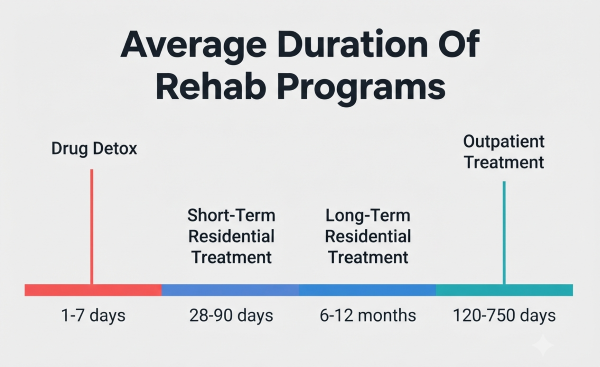
Detox is used to facilitate a safe withdrawal process. For some people, withdrawal symptoms can be serious and require medical supervision. Depending on the person’s condition and symptoms, detox can take a few days.
What’s important, however, is that detox is not an alcohol treatment program. NIAAA specifically mentions that detox is not enough to treat AUD.
Residential treatment
Residential rehabilitation provides on-site accommodation for patients in the treatment facility and provides around-the-clock attention. Programs may range from weeks long to even longer.
If another person requires additional time away from triggers, structured support or significant medical, psychological, and/or social needs, then they may be recommended to stay longer.
Outpatient treatment
Outpatient programs offer treatment sessions at a predetermined time and people are able to stay home. Counselling sessions for individuals, groups, and families may be delivered, and also medication plan management may be provided, dependent upon clinical needs, as well as recovery planning.
Continuing care
When someone graduates from rehab, the answer to how long treatment for alcohol will last does not necessarily end there. Recovery support may be offered in counselling, follow-up visits, medicine, mutual support groups, and other ways for months, or even longer.
NIAAA identifies four areas of continuous improvement for better drinking behavior, physical health, mental health, and relationships, which are all part of the recovery process.
Prepared to discover the level of treatment for alcohol that could be suitable for you? Contact Intervention 911 to find out more about what you can do and how to get started.
Scientific Research on Alcohol Rehab Duration
Studies have shown that an individualized therapy approach is better than a therapy of a certain duration. According to NIAAA, a variety of treatment options exist for a person with AUD, and treatment can take days, weeks, or even months.
Treatment can consist of behavioral therapies, medication, or a combination of treatments. The U.S. National Institute on Alcohol and Mental Health Services Administration (SAMHSA) mentions 3 FDA-approved drugs that are commonly used in the treatment of AUD: acamprosate, disulfiram, and naltrexone. In addition to counselling and other recovery programmes, they may be used as clinically appropriate.
Possible Challenges and Side Effects During Recovery
Withdrawal from alcohol may be physical or emotional. Some individuals sweat or shake, feel anxious or sick, have trouble sleeping, have a fast heart rate, or have any of the other withdrawal symptoms. Severe withdrawal and requiring immediate treatment is characterized by seizures or delirium tremens.
Although a person may be detoxed from a drug or alcohol addiction, anxieties regarding a return to normal life, sleeping difficulties, mood swings, cravings, and stress may still exist.
The issues may not mean that therapy is not effective. Recovery may come with delays and further professional support may be needed to re-configure the person’s treatment plan and enhance coping strategies.
Review
The main point is straight to the chase: how long rehab lasts for alcohol is person-to-person. Detox is only the beginning, and creating a foundation for treatment and recovery support could require an extended timeline, perhaps days, or deeper and more comprehensive processes might require more time, months, even. The only way to determine an appropriate timeline is to have a business appraisal.
Prevention Tips for Maintaining Recovery
Be glad upon completion of a rehab program; worry about staying in recovery.
- Some tips could be
- Be sure to adhere to your maintenance plan.
- Attend recommended counselling or support groups.
- Use of prescription medications as directed.
- Recall settings, locations, scenarios, and individuals that make you want to drink.
- Establish proper habits in the areas of sleep, nutrition, exercise, and stress management.
- Participate in healthy relationships with supportive individuals, family, friends, therapists, and/or other individuals in recovery.
- If cravings or relapse begins to begin to increase, the person needs to get help early.
- NIAAA states setbacks can happen, and ongoing contact with a treatment provider might be essential for life.

Contact us for Help
There is no standard length of treatment. For some, it will be a medically supervised drug and/or alcohol withdrawal, followed by outpatient treatment; for others, it will involve months of outpatient treatment and weeks or months of residential treatment.
Not all of the best questions on the checklist are “How many days will I be in rehab?” “What does the level of care entail, and which of them will give me the best chance for a stable recovery?”
While recovery is possible, it requires a customized assessment, the right care, and ongoing support to recover from AUD.
An Intervention 911 service can assist you in looking at choices for alcohol therapy and what the next step might look like. To find out what you need and the care available, call us today.
Medical Disclaimer
This blog is for educational purposes only and is not a substitute for medical or mental health advice. Alcohol withdrawal can become dangerous or life-threatening. Anyone who has been drinking heavily or regularly should speak with a qualified healthcare professional before stopping alcohol suddenly.
Frequently Asked Questions About Alcohol Rehab
How long do you stay in rehab?
Many people stay in residential alcohol rehab for several weeks, although some need longer care. The appropriate length depends on withdrawal risk, AUD severity, medical and mental health needs, progress, and the stability of the person’s home environment.
How long are alcoholics in rehab?
There is no standard length for everyone. Some people receive treatment for several weeks, while others continue residential or outpatient care for months. Treatment duration depends on clinical needs, response to treatment, relapse risk, and ongoing recovery goals.
How long does it take to reset your body from alcohol?
The body begins processing alcohol soon after drinking stops, but recovery from prolonged alcohol use takes longer. Withdrawal can begin within hours and may become serious. Physical and psychological recovery can continue for weeks, months, or longer.
What happens when an alcoholic goes to rehab?
A person entering rehab typically receives an assessment, develops a treatment plan, and may undergo supervised detox if needed. Treatment can include counseling, behavioral therapies, medication, education, relapse-prevention planning, and continuing-care support.
Can I use my phone in rehab?
Phone policies vary by treatment facility. Some programs restrict phone use during early treatment to reduce distractions, while others allow scheduled access. Ask the facility about its specific rules before admission so you know what to expect.
What are the 5 stages of rehab?
There is no universally accepted five-stage rehab model. Treatment commonly includes assessment, withdrawal management when necessary, active treatment, preparation for continuing care, and long-term recovery support. The exact sequence and duration vary according to individual needs.
What percentage of alcoholics recover after rehab?
There is no single reliable percentage that represents everyone who completes alcohol rehab. Recovery definitions and study populations vary. NIAAA reports that the majority of people with AUD reduce or resolve their drinking problems over time, although setbacks can occur.
How long is rehab for alcohol usually?
Alcohol rehab commonly lasts several weeks when residential care is needed, but treatment may be shorter or longer depending on clinical circumstances. Detox is typically only one part of care, while outpatient and continuing treatment can extend for months.
Resources:
For additional evidence-based information, see the National Institute on Alcohol Abuse and Alcoholism and the Substance Abuse and Mental Health Services Administration.
Sorry, the comment form is closed at this time.